Giving Forgotten Objects a Second Chance with Clever Upcycling Techniques
Are you seeking inspiration for sustainable living while adding unique charisma to your surroundings? Upcycling--the creative reuse of unwanted items--opens up a world of possibilities for transforming forgotten objects into functional treasures. In this comprehensive guide, we'll explore everything you need to know about clever upcycling techniques, from their environmental impact to hands-on project ideas, all designed to give everyday items a refreshing second chance.
What is Upcycling? Understanding the Concept
At its core, upcycling is the process of repurposing discarded or obsolete objects into products of higher quality or value than the original. Unlike recycling, which often breaks materials down, upcycling involves creativity--rethinking the form and function of everyday objects that might otherwise end up in landfills.
- Environmental Benefits: Upcycling reduces waste, saves natural resources, and minimizes pollution.
- Cost-Effective: It helps you save money by turning unused items into valuable, useful pieces.
- Personalization: Each piece you upcycle can reflect your style, bringing a story and character to your home.
- Supporting Sustainability: Upcycling fosters a green, eco-friendly mindset and reduces your carbon footprint.
Why Give Forgotten Objects a Second Life?
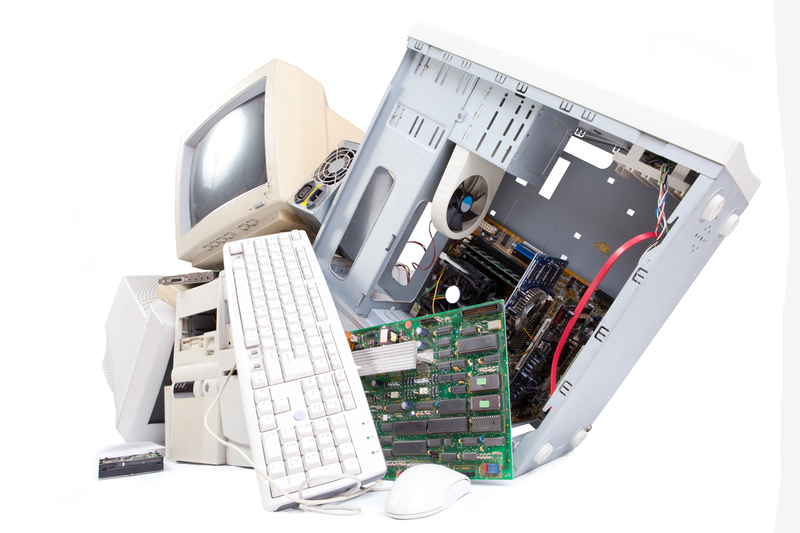
Every year, millions of tons of useful items are discarded, contributing to mounting waste and resource exhaustion. By leveraging clever upcycling techniques, you become an active participant in a global movement toward sustainability and creativity. Not only does this practice minimize landfill waste, but it also:
- Encourages Innovation: Upcycling challenges you to find innovative uses for old items.
- Builds Craft Skills: Every project can help you develop valuable DIY and craftsmanship skills.
- Cultivates Mindfulness: Giving new life to objects fosters appreciation for the materials and energy behind every item.
Getting Started with Upcycling: Essential Tips
Ready to dive into the world of upcycling? Here's how you can start giving forgotten objects a new lease on life with simple, clever techniques.
1. Basic Tools and Materials
You don't need a professional workshop to start upcycling. With a few tools and a dose of imagination, you'll be ready for your first project. Some handy basics include:
- Screwdrivers & Pliers: For dismantling and assembling objects.
- Sandpaper: Great for refinishing wood or metal surfaces.
- Paints & Brushes: Add color and protection to your creations.
- Glue & Adhesives: Strong bonds are crucial for lasting results.
- Measuring Tape & Level: Ensure accuracy and balance in your projects.
2. Choosing the Right Objects to Upcycle
Virtually anything can be upcycled, from vintage suitcases and old doors to glass jars and textile scraps. When selecting what to upcycle, consider:
- Material Quality: Choose sturdy items that withstand alteration and reassembly.
- Functionality: Think about how the object's size, shape, and strength fit your intended project.
- Sentimental Value: Upcycling can keep cherished mementos in your life, in useful new forms.
3. Safety First
Always prioritize safety when working with tools or potential hazards. Wear protective gloves, goggles, and masks when sawing, sanding, or painting. Work in a ventilated area, especially when using chemical adhesives or paints.
Top Clever Upcycling Techniques to Try
Unleash your creativity with these tried-and-true methods for giving forgotten objects a second chance. Whether you're a beginner or a seasoned DIY enthusiast, these ideas are sure to inspire!
1. Turning Glass Jars Into Decorative Lighting
Empty glass jars often go unnoticed in the recycling bin. Instead, use clever upcycling methods to transform them into stunning candle holders or pendant lights:
- Paint or frost the exterior for a soft, diffused glow.
- Add wire or rope handles to hang them from hooks or trees.
- String fairy lights inside jars to create whimsical ambiance.
2. Old Furniture, New Functions
Upcycling furniture is one of the most rewarding approaches to sustainable design:
- Repurpose a broken ladder as a rustic bookshelf or bathroom towel rack.
- Convert wooden pallets into coffee tables, bed frames, or outdoor seating.
- Give chairs a second life as plant stands or shelving units.
3. Textile Transformations
Don't toss those worn-out T-shirts or faded curtains! Upcycle textiles into new, practical items:
- Braid fabric scraps into colorful rugs, baskets, or pet toys.
- Sew patchwork throws or cushions from old shirts and jeans.
- Reimagine pillowcases as tote bags or aprons.
4. Vintage Suitcase Conversions
Have a vintage suitcase gathering dust? These sturdy, stylish relics are perfect candidates for upcycling:
- Turn a suitcase into a unique side table by adding tapered legs.
- Create quirky pet beds lined with plush cushions.
- Organize craft supplies or jewelry within neatly divided compartments.
5. Kitchenware in New Roles
Old kitchenware is full of potential for inventive upcycled home decor:
- Mount colanders or strainers as pendant lamps for an industrial look.
- Use teacups as succulent planters to give your plants personality.
- Transform muffin tins into craft organizers for beads, buttons, or screws.
Innovative Upcycling Projects for Every Room
To help you get started, here's a room-by-room guide to upcycling forgotten items into functional decor and storage solutions.
Living Room Upcycling Ideas
- Old window frames become picture displays or wall art.
- Suitcases serve as storied end tables or magazine racks.
- Pallet wood transforms into bespoke coffee tables or media units.
Kitchen Upcycling Techniques
- Mason jars double as utensil holders or dry-goods storage.
- Old drawers hang as wall shelves--great for spices or mugs.
- Wine corks become trivets or bulletin boards.
Bedroom Makeovers with Upcycled Objects
- Wooden crates stack into modular bedside tables or storage cubbies.
- Headboards crafted from reclaimed doors add vintage character.
- Hinged shutters form jewelry hangers or vision boards.
Bathroom Solutions
- Teacups and jars organize cotton balls, swabs, or toiletries.
- Bicycle baskets mount on walls for towel storage.
- Towel racks from drawer pulls or pipe fittings add rustic flair.
Garden & Outdoor Upcycling Projects
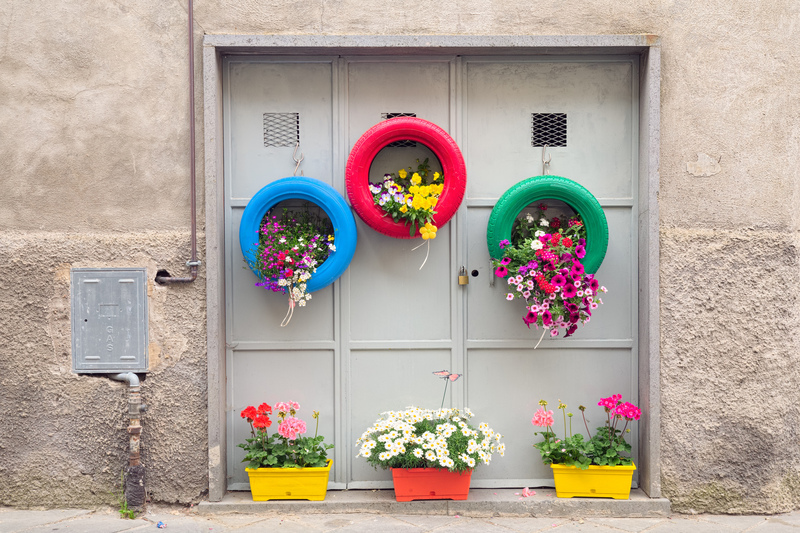
- Old boots or shoes become whimsical planters for flowers or herbs.
- Bathtubs are repurposed as raised vegetable gardens.
- Bottle caps create mosaic stepping stones or garden art.
Mastering the Art of Upcycling: Pro Tips
Ready to level up your upcycling skills? Keep these expert pointers in mind:
- Start Small: Begin with simple projects and gradually tackle more ambitious designs as your confidence grows.
- Learn Technique: Brush up on carpentry, sewing, or painting skills online to expand your creative toolkit.
- Mix Materials: Don't be afraid to combine wood, metal, glass, and textile elements for distinctive results.
- Test Before You Transform: If painting or refinishing, try your method on a small area first.
- Document the Process: Before and after photos are great for tracking your progress or sharing your work with others.
- Get the Whole Family Involved: Upcycling is a fun way for children and adults to bond while learning about sustainability.
Upcycling vs. Recycling: What's the Difference?
Although the two terms are often used interchangeably, upcycling and recycling are distinct concepts:
- Recycling: Involves breaking down materials into raw components to create new products (e.g., melting glass bottles into new jars).
- Upcycling: Focuses on reimagining an object's form, function, or finish without significant breakdown (e.g., turning bottles into lamps or planters).
Upcycling is generally considered more energy-efficient, as it skips the energy-intensive process of converting materials and instead leverages the original object's structure and character.
The Positive Impact of Upcycling on the Environment
When you give forgotten objects a second chance, you're not just enhancing your own living space--you're actively contributing to a healthier planet. Upcycling helps:
- Lower Landfill Waste: Every item creatively repurposed is one less item sent to a landfill.
- Save Resources: Upcycling requires less raw material and energy, reducing demand for new goods and packaging.
- Cut Down Emissions: Manufacturing lessens with increased upcycling, curbing pollution and greenhouse gas emissions.
- Promote Circular Economy: Encourages a loop of reuse, benefiting local communities and makers.
Celebrating Creativity: Real-World Upcycling Success Stories
For further inspiration, here are a few examples of innovative upcycling transformations that have captivated the DIY world:
- Barnwood to Bookcase: Salvaged barn siding was cut, sanded, and assembled into a one-of-a-kind bookshelf, preserving a piece of agricultural history in stylish modern form.
- Bicycle Wheel Clock: An old, rusted bicycle wheel was cleaned and painted, then outfitted with clock hands to become a large wall timepiece for a local cafe.
- Drawer Planters: Wooden drawers from a broken dresser were stacked, painted, and filled with herbs, creating a layered and accessible indoor garden.
- Magazine Rack Chair: Damaged chairs found at a thrift store were cut down and fitted with suspended fabric to cradle reading material--a stylish addition to a home office.
Upcycling as a Lifestyle: Join the Second Chance Movement
With every project you undertake, you help shape a culture where resourcefulness, personalization, and sustainability matter. Sharing your ideas online, supporting local upcycle artisans, or hosting workshops are powerful ways to expand the movement--one clever transformation at a time.
Resources to Fuel Your Upcycling Journey
- Online Tutorials and Blogs: Platforms like YouTube, Instructables, and Pinterest are teeming with upcycling ideas and step-by-step guides.
- Community Workshops: Seek local makerspaces, art collectives, or adult education programs offering hands-on upcycling classes.
- Social Media Hashtags: Search for #upcycling, #secondchancemovement, or #sustainableliving for inspiration and support.
Conclusion: Transforming Forgotten Objects with Clever Upcycling Techniques
Giving forgotten objects a second chance with creative upcycling is about celebrating ingenuity, sustainability, and beauty in the ordinary. Whether you're fashioning home decor from discarded furniture or crafting gifts from once-overlooked materials, upcycling infuses new meaning into the things we own. Start exploring, experiment fearlessly, and join the movement--let your next upcycling project be a testament to the power of a second chance.
