Health and Safety Policy — Business Waste Removal Hillingdon
 This Health and Safety Policy sets out the commitment of our business waste removal operation to protect employees, contractors, clients and the public while delivering high-quality rubbish clearance and waste disposal services in our service area. The policy applies to all activities associated with commercial waste collection, transfer, and recycling, and is reviewed regularly to ensure it remains effective and compliant with industry standards. Safety is an integral part of our service delivery model, and we require all staff to engage actively with its provisions.
Our objectives include reducing accidents and incidents, controlling exposures to hazardous substances, and ensuring safe use of transport and heavy equipment used in rubbish removal and rubbish collection across the service area. Responsibilities are clearly defined: management will allocate resources and monitor performance, supervisors will enforce procedures, and all employees are expected to follow safe working practices and report hazards. Training, supervision and competency checks form the backbone of our approach to safe waste handling.
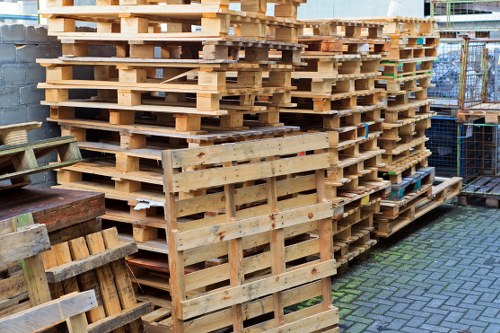 Risk assessment is central to our operation. Prior to commencing any job, a documented assessment identifies hazards such as sharp objects, hazardous materials, manual handling risks, vehicle movements and site-specific constraints. Controls include segregation of hazardous wastes, use of suitable containers, safe access arrangements and restrictions on lone working where risks are elevated. The process for incident reporting and investigation is straightforward and aims to prevent recurrence through a combination of engineering and administrative controls.
Roles, Responsibilities and Communication
Managers are responsible for ensuring that this policy is implemented effectively across the rubbish company service area. They will ensure adequate resources are provided for training, personal protective equipment (PPE), vehicle maintenance and safe plant operation. Supervisors must ensure that site-specific safety briefings are given and that employees understand job-specific risks. Employees must cooperate with safety instructions, attend training and use PPE correctly to reduce exposure to harm.
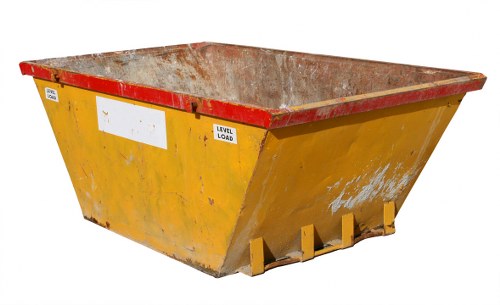 We emphasise clear communication between drivers, loading crews and site contacts to reduce vehicle-related incidents. Route planning, vehicle loading limits and reversing protocols are enforced. Vehicle-check procedures are in place to confirm brakes, lights, securing equipment and waste containment systems are functioning prior to departure. Documentation accompanies loads to demonstrate correct classification and handling of materials removed from client sites, supporting safe onward processing.
Competency is maintained through periodic refreshers and recorded training modules, covering manual handling techniques, safe use of mechanical aids, and awareness of hazardous waste categories. Behavioural safety is encouraged via toolbox talks and briefings that reinforce safe choices and highlight near-miss learning. We support a culture where employees feel empowered to stop work if they identify immediate danger and to suggest practical improvements to local working arrangements.
Operational Controls and Waste Management
 Safe handling and segregation of waste is mandatory. Waste streams are identified at the point of collection and segregated to minimise cross-contamination and to protect handlers from chemical, biological or sharps-related harm. Containers are selected for suitability; sealed units are used for liquids and containment protocols followed for suspect materials. Where hazardous materials are encountered, operations cease and competent advice is sought in accordance with established procedures.
Manual handling risks are mitigated by mechanical aids, two-person lifts for bulky items, and load limits set for manual tasks. Before any lift, operatives assess route clearances and stable footings. PPE requirements (gloves, high-visibility clothing, eye protection and steel-toe boots) are specified according to task and reviewed when conditions change. Routine health surveillance is offered where roles entail increased exposure to dust, noise or hazardous substances.
 Emergency preparedness covers spill response, first aid provision, fire precautions and vehicle incident procedures. First aid kits and spill kits are maintained on vehicles and at operational bases, with trained responders identified. Evacuation and emergency contact chains are documented and rehearsed periodically. Continuous improvement is pursued through audits, incident trend analysis and supplier vetting to ensure subcontractors meet our safety expectations.
Monitoring and Review: This policy is monitored through regular inspections, performance metrics and management reviews. Audits and checks verify that control measures are effective across the rubbish removal service area. Changes to operations, legislation or equipment trigger a review and update. Employees receive feedback on safety performance and are encouraged to participate in reviews.
Legal and Regulatory Considerations: The policy aligns with applicable health and safety principles and waste management duties, while recognising that statutory requirements evolve. The organisation will maintain up-to-date awareness of relevant responsibilities and ensure that all waste handling and disposal activity is carried out by competent persons and authorised facilities.
Commitment: Management and staff are committed to achieving high standards of health and safety, to preventing injury and ill health, and to delivering a reliable, safe rubbish clearance and commercial waste disposal service across the service area. Regular communication, training and provision of suitable equipment underpin this commitment.
- Policy owner: Senior management (responsible for implementation and review)
- Review period: Annually or sooner after significant change
- Employees: Must adhere to this policy and participate in safety processes
