Avoid hidden rubbish removal costs in Hillingdon
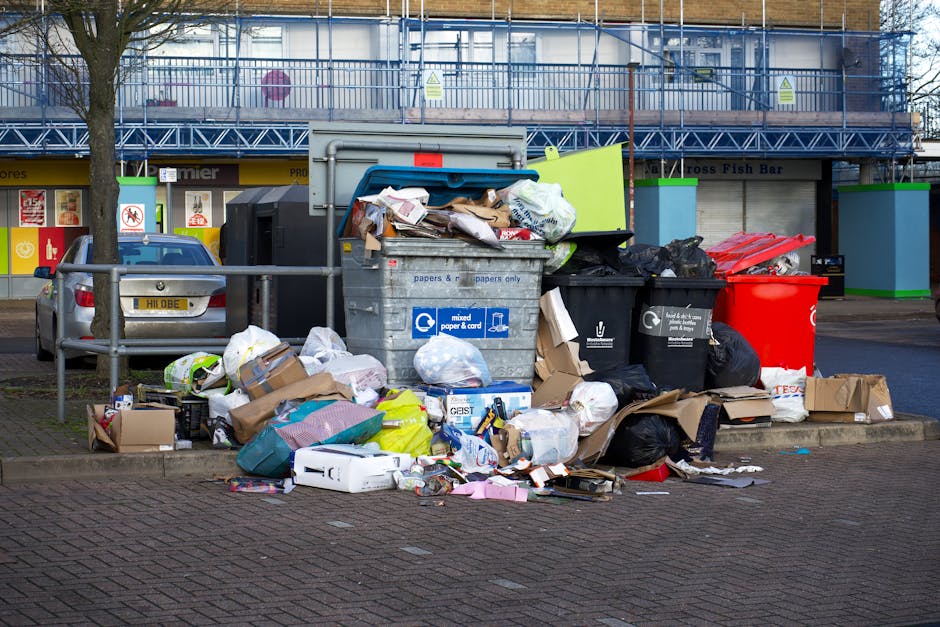
If you have ever booked a clearance job and then watched the final bill creep up, you will know why people search for ways to avoid hidden rubbish removal costs in Hillingdon. The price sounded fine at first. Then came the extras: loading delays, access issues, special item fees, disposal surcharges. Annoying, isn't it?
This guide is here to help you spot those traps before they bite. We will look at how rubbish removal pricing usually works in Hillingdon, what can push costs higher, what to ask before you book, and how to compare quotes properly. If you want a clearer, calmer way to organise a clearance, you are in the right place.
And to be fair, most surprise charges are avoidable. You just need to know what to look for.
- Why it matters
- How rubbish removal pricing works
- Key benefits
- Who needs this and when it makes sense
- Step-by-step guidance
- Expert tips
- Common mistakes to avoid
- Tools, resources and recommendations
- Law, compliance and best practice
- Options and comparison
- Real-world example
- Practical checklist
- Conclusion
- Frequently asked questions
Why Avoid hidden rubbish removal costs in Hillingdon Matters
Hidden charges are more than a nuisance. They make it harder to budget, they slow projects down, and they can leave you second-guessing a service you thought you had already approved. In a busy area like Hillingdon, where homes, flats, shopfronts, and building projects all create different kinds of waste, the final cost can vary a lot if the job is not scoped properly.
That matters whether you are clearing a garage in Uxbridge, emptying a rental flat near the station, or dealing with builders' waste after a small renovation. The quote may look attractive, but if it was built on guesswork, you can end up paying for time, weight, labour, access, or disposal categories you never expected.
Truth be told, the cheapest headline price is not always the cheapest service. A transparent quote that explains exactly what is included is usually better value, even if it looks a touch higher at first glance. You want certainty. Not a bill that arrives with a shrug and a list of add-ons.
Expert summary: The safest way to avoid hidden rubbish removal costs is to confirm exactly what is being collected, how access affects pricing, whether labour is included, and what happens if the load changes on the day.
How Avoid hidden rubbish removal costs in Hillingdon Works
Most rubbish removal services price jobs using a mix of volume, weight, labour, vehicle space, and disposal type. Some companies offer fixed prices for clearly defined jobs. Others use estimate-based pricing and adjust the final figure if the load is bigger, heavier, or harder to remove than first described.
The process usually starts with a description of what you need removed. That might be a single bulky item, a roomful of clutter, garden waste, or mixed household rubbish. A good provider will ask questions about access, parking, stairs, item type, and whether anything is awkward, heavy, or potentially hazardous. That is not fussiness. It is how they avoid surprises for both sides.
For example, a sofa from a ground-floor home with easy parking is a very different job from a same-sofa removal from a top-floor flat with no lift and a tight stairwell. The actual disposal may be similar, but the labour and time are not. If the quote ignores that difference, hidden costs can appear later.
In our experience, the clearest services are the ones that break pricing down in plain English. You should be able to see what is included, what is not, and what triggers a price change. If you cannot, ask. A proper company will not mind.
Common pricing factors that change the final bill
- Volume: How much space the waste takes in the vehicle.
- Weight: Heavy materials can cost more to process and dispose of.
- Item type: Furniture, appliances, garden waste, and mixed rubbish can be handled differently.
- Access: Stairs, distance from the property, or parking restrictions may affect labour time.
- Urgency: Same-day or out-of-hours collection can carry a premium.
- Special handling: Items that need separate treatment, such as fridges or hazardous materials, may be priced differently.
The main thing to remember? A quote is only useful if it reflects the real job, not an idealised one.
Key Benefits and Practical Advantages
When you avoid hidden rubbish removal costs, the obvious win is saving money. But the practical benefits go further than that. You also save time, reduce stress, and make it easier to plan other parts of your day. That sounds simple, but anyone who has tried to juggle a clearance, a moving date, and a builder arriving at 8am knows how quickly a messy quote can become a real headache.
- Better budgeting: You know what to set aside before the job starts.
- Fewer disputes: Clear scope means fewer awkward conversations later.
- Faster decisions: Transparent pricing makes it easier to compare providers.
- Less project delay: No need to pause halfway through because costs have changed unexpectedly.
- More trust: A clear quote often reflects a more organised service overall.
There is also a quieter benefit that people often miss: peace of mind. When the bill is predictable, the whole job feels lighter. You can get on with your day instead of keeping one eye on the invoice.
If you are clearing a property during a move or after a tenant leaves, this matters even more. Small financial surprises have a habit of snowballing when you are already under pressure.
Who This Is For and When It Makes Sense
This advice is useful for just about anyone arranging waste collection in Hillingdon, but it is especially relevant if your job is not a simple one-item pickup. The more moving parts a clearance has, the more important it is to pin down the true cost.
It makes particular sense for:
- Homeowners clearing clutter before a sale or renovation
- Tenants and landlords managing end-of-tenancy rubbish
- Families dealing with garage, loft, or home clearances
- Local businesses clearing office furniture or confidential materials
- Tradespeople handling builders' waste after a job
- Anyone removing bulky items such as mattresses, sofas, or white goods
If you are dealing with mixed waste, access challenges, or fragile timing, ask more questions than usual. A lot more. That is not being difficult; it is being sensible.
On the other hand, if you have a small, straightforward load and easy access, a simple all-in price may be enough. The trick is matching the quote style to the job. Simple job, simple quote. Complex job, more detail.
Step-by-Step Guidance
Here is a practical way to keep costs under control without turning the whole thing into admin hell.
1. Make a full list of what needs removing
Walk through the space and write down every item. Be specific. "Old furniture" is not as useful as "two wardrobes, one mattress, one armchair, three bags of mixed household rubbish". Specific descriptions lead to better quotes.
2. Separate standard waste from special items
Put items that may need separate handling into their own group. Fridges, freezers, paint tins, plasterboard, electrical items, and anything you think might be classed differently should be flagged early. That alone can prevent surprise charges.
3. Check access and parking
Ask yourself a blunt question: how easy is it actually to get the waste out? A short walk to the vehicle is different from carrying bags up and down stairs or dealing with a busy street. If access is awkward, mention it up front. Better an honest quote now than a gloomy one later.
4. Ask what the quote includes
Do not just ask for the price. Ask what that price covers. Labour? Loading? Disposal fees? VAT if applicable? Minimum charges? Waiting time? If a provider is clear, they will answer clearly.
5. Confirm how changes are handled
Sometimes a job grows a bit on the day. That happens. What matters is how the company handles it. Will they re-quote before adding costs? Do they charge by extra volume? Is there a rate for additional items? You want that process explained before anyone lifts a bag.
6. Compare like for like
Do not compare a vague estimate with a detailed fixed-price service and assume they are equivalent. Compare scope, not just numbers. One quote may look cheaper because it leaves out the very things you need.
7. Get the agreement in writing
Whether it is an email confirmation or a booking summary, make sure the main points are documented. It keeps everyone aligned and helps avoid the classic "I thought that was included" moment. Nobody enjoys that bit.
Expert Tips for Better Results
Small habits make a big difference here. A few careful checks can save you far more than the time they take.
- Take photos before booking. A couple of clear images often help a provider give a more accurate quote.
- Be honest about access. If there is no lift, a narrow path, or tight parking, say so early.
- Group items by type. Mixed loads can be priced differently from single-category waste.
- Ask about minimum charges. A tiny load can still attract a minimum fee, which is fair enough, but you should know it.
- Check whether loading time is included. Some quotes assume a quick job; others allow more time. It matters.
- Keep a simple inventory. A written list helps when you compare providers.
One practical tip that people often overlook: if you are clearing out a room in stages, ask whether combining the loads into one booking is cheaper than making several smaller calls. Often it is. Not always, but often enough to ask.
And yes, it is slightly boring to make a checklist. Still cheaper than paying for a surprise on the invoice. The spreadsheet wins again.
Common Mistakes to Avoid
A lot of hidden rubbish removal costs come from simple misunderstandings. The good news is that they are easy to avoid once you know the pattern.
Choosing the lowest headline price without reading the detail
A low starting price can be perfectly legitimate, but only if it matches your actual job. If the quote is light on detail, assume you need more detail before you commit.
Forgetting to mention awkward access
Stairs, long carries, restricted parking, and top-floor flats can all affect labour time. Leaving that out is one of the fastest ways to create a pricing mismatch.
Assuming all bulky items are treated the same
A sofa, a broken wardrobe, and a fridge are all bulky, but they may not be handled the same way. Appliance removal and specialist disposal can change the cost.
Not asking about disposal fees
Some companies build disposal charges into the quote; others itemise them differently. If you are not sure which approach is being used, ask.
Ignoring special waste
Hazardous or restricted items should never be mixed into a normal general waste load unless the provider says it is acceptable. That includes things like certain chemicals, paints, or contaminated materials.
Booking too late
Last-minute jobs can be more expensive simply because your options are fewer. If you can plan ahead, do it. It gives you room to compare and ask sensible questions.
Sometimes the mistake is not what you ask. It is what you assume. That is the sneaky bit.
Tools, Resources and Recommendations
You do not need fancy tools to avoid hidden rubbish removal charges. A phone camera, a notes app, and a short checklist will do most of the work. Still, a few practical resources can make the process smoother.
- Photo set: Take wide shots and close-ups of the load area, access points, and the items themselves.
- Item list: Write down what is being removed, separated by category if possible.
- Measurement estimate: Roughly note how many bags, boxes, or large items you have.
- Booking confirmation: Keep the agreed scope and any special notes in writing.
- Payment record: Retain invoice details for your own records.
If you are unsure about a particular type of waste, browse useful service pages before you book. For example, a dedicated pricing and quotes page can help you understand how a provider structures charges, while a waste removal service page may clarify what kinds of loads are usually accepted.
If your job is more specific, it can also help to look at related services such as furniture disposal or builders waste clearance so you can compare the right kind of service rather than guessing.
Those pages are useful not because they are flashy, but because they help you understand scope. Scope is where hidden costs usually live.
Law, Compliance, Standards, or Best Practice
When rubbish is being removed, good practice matters. You want a provider that handles waste responsibly, keeps the process safe, and works within normal UK expectations for waste handling and disposal. You do not need to know every technical detail, but you should expect clear answers on a few basics.
First, ask whether the waste will be sorted appropriately. Mixed loads should not be treated carelessly, especially if there are recyclable materials or items that need separate handling. Second, make sure any company dealing with your rubbish has sensible procedures for safety, transport, and disposal. Third, be cautious with items that may be classed as hazardous or specialist waste. Those should be identified early, not discovered halfway through the job.
For business customers, confidentiality can matter too. Paper records, office files, and sensitive materials should not be left to chance. If you are clearing an office, a service such as confidential shredding may be relevant alongside the main clearance plan.
Recycling and sustainability are worth asking about as well. A transparent provider should be able to explain, in plain terms, how they aim to reuse or recycle suitable materials where possible. You are not asking for a lecture. Just clarity.
And one more thing: insurance and safety should not be shrugged off. If the job involves heavy lifting, tight spaces, or awkward access, proper precautions matter. A strong insurance and safety approach is part of what separates a professional service from a risky one.
Options, Methods, or Comparison Table
Different clearance options suit different situations. The best choice depends on the amount of waste, how quickly you need it gone, and whether the items are simple or awkward.
| Option | Best for | Cost control | Typical risk of hidden costs |
|---|---|---|---|
| Fixed-price rubbish removal | Clear, defined loads | Strong, if the scope is accurate | Low to medium if access is misdescribed |
| Estimate-based collection | Jobs that may change on the day | Moderate | Medium, especially if the load grows |
| Specialist item removal | Appliances, sofas, mattresses, or awkward items | Good when item type is clear | Medium if special handling is not discussed early |
| Full clearance service | Homes, flats, garages, lofts, offices | Often strong for larger jobs | Lower if the scope is walked through properly |
For many households, a full clearance or dedicated removal service is easier to budget for than a piecemeal arrangement. If you are dealing with furniture, for example, a page like furniture clearance may be more useful than a general service description. Likewise, if you are emptying a full property, house clearance or home clearance can help you gauge what a broader job may include.
The point of comparing methods is not to find the "best" one in the abstract. It is to find the one least likely to surprise you later.
Case Study or Real-World Example
Picture a fairly ordinary Hillingdon job. A family is clearing a spare room before a refurbishment. There are two wardrobes, a broken desk, several bags of mixed clutter, and an old mattress. The first quote they receive sounds decent, but it is based on "standard household waste" with no mention of stairs, parking, or the mattress.
They pause, take a few photos, and send a better description. This time they mention that the flat is on the second floor, the lift is out of service that week, and parking is a short walk from the entrance. The revised quote is a little higher, but it is honest. More importantly, there is no last-minute wobble when the crew arrives.
On the day, the load is removed in one visit, and the invoice matches the confirmed scope. No awkward add-ons. No "we had to carry it further than expected" drama. Just a straightforward job done properly. Not glamorous, but that is the point.
That is usually how it works when hidden costs are avoided: a bit more effort up front, a lot less irritation later. Simple, really.
Practical Checklist
Use this before you book any rubbish removal in Hillingdon.
- List every item that needs removing.
- Separate standard waste from special or bulky items.
- Take clear photos of the load and access route.
- Note stairs, lifts, parking, and walking distance.
- Ask whether labour, loading, and disposal are included.
- Confirm whether the quote is fixed or estimate-based.
- Check what happens if the load changes on the day.
- Ask about minimum charges and extra-item costs.
- Get the main agreement in writing.
- Keep the booking confirmation and invoice.
Quick reminder: if a quote feels vague, it probably is. Ask one more question. Then one more if needed.
Conclusion
The easiest way to avoid hidden rubbish removal costs in Hillingdon is not to guess. It is to slow down just enough to describe the job properly, compare quotes on the same basis, and check the details that usually get skipped. Access, item type, labour, disposal, and scope all matter more than the headline number alone.
If you take away one thing, let it be this: a clear quote is worth more than a cheap surprise. Whether you are clearing a flat, a garden, an office, or a garage, transparency gives you control. And honestly, that is what most people want in the first place.
Get a free quote today and see how much you can save.
When the job is explained properly, the whole thing gets easier. Less stress, fewer surprises, better value. That is a good day's work.
Frequently Asked Questions
What are hidden rubbish removal costs?
Hidden costs are extra charges that are not obvious when you first receive a quote. They can include labour, access issues, item-specific fees, disposal charges, or added costs for heavier or more awkward loads.
How do I avoid surprise charges when booking rubbish removal in Hillingdon?
Give a full description of the waste, mention access details, ask what the quote includes, and get the agreement in writing. Photos also help, especially if the job has bulky or awkward items.
Is the cheapest quote usually the best option?
Not always. A cheap quote can be fine if it is detailed and realistic, but it can also hide exclusions. Compare the scope of work, not just the price tag.
Do I need to mention stairs or parking problems?
Yes. Stairs, no lift, long carries, and difficult parking can all affect the labour involved. If you leave them out, the final price may change.
What items often cost more to remove?
Appliances, mattresses, sofas, heavy furniture, and certain waste streams such as hazardous materials can cost more, especially if they need special handling or disposal.
Should rubbish removal quotes be fixed or estimated?
Both can work. A fixed quote is best when the job is clearly defined. An estimate is useful when the load may change, but it should come with a clear explanation of how final pricing is adjusted.
Can I combine several clearances into one job to save money?
Often, yes. If you have multiple small loads, combining them can sometimes be cheaper than booking several separate visits. It depends on the provider and the type of waste.
What should be included in a transparent rubbish removal quote?
A good quote should explain what items are included, whether labour and loading are covered, any limits on volume or weight, and any extra charges that might apply.
Are appliance removals treated differently from general waste?
Often they are. Fridges, freezers, and other appliances may need separate handling because of their size, contents, or disposal requirements. Always mention them early.
Is it worth taking photos before asking for a quote?
Yes. Photos help the provider see what is involved and reduce the chance of pricing surprises later. A few clear images can save a lot of back-and-forth.
What if the load changes on the day of collection?
Ask in advance how changes are handled. A professional provider should explain whether they will re-quote, apply an item-based charge, or confirm any change before proceeding.
Can hidden costs happen with house clearances too?
Absolutely. Larger jobs such as house clearance or loft clearance can be especially prone to cost changes if the volume, access, or item types are not fully described at the start.